High blood pressure, or hypertension, has earned the nickname “the silent killer” because it typically progresses without clear, obvious symptoms. Untreated, it can lead to devastating complications like stroke, heart attack, and kidney disease. That’s why recognizing even the most subtle changes in your body is critical for early detection and prevention, especially for busy residents in the Fairfax, South Riding, Merrifield, and Tysons, VA areas.
Prima Medicine: Your Partner in Preventive Medical Care Across Northern Virginia
At Prima Medicine, a leading primary care practice serving the greater Northern Virginia region, we specialize in helping adults proactively manage chronic conditions like hypertension. Our team, led by recognized Washingtonian Top Doctor, is committed to making time for your health through comprehensive annual physicals and convenient same-day appointments.
If you’re unsure whether you need a check-up, pay close attention to the following eight subtle symptoms, which may signal that your blood pressure is dangerously high.
8 Subtle Warning Signs of Undiagnosed Hypertension
1. Persistent Headaches (Especially in the Morning)
While common, frequent headaches, particularly those felt as a pounding or throbbing pressure at the back of the head upon waking, can be a serious sign. In a hypertensive crisis (extremely high blood pressure), the elevated pressure inside the cranial blood vessels causes severe head pain.
2. Visual Disturbances and Blurred Vision
The blood vessels in the retina of your eyes are exceptionally small and sensitive. Chronically elevated blood pressure can strain or damage them, a condition known as hypertensive retinopathy. This can manifest as:
- Blurred vision
- Seeing floaters
- Temporary visual disturbances
3. Unexplained Fatigue and Mental Fog
Sustained high blood pressure reduces the efficiency of blood flow to the brain. This subtle cerebral hypoxia (reduced oxygen) can lead to:
- Unusual or chronic fatigue
- Difficulty concentrating (mental fog)
- Forgetfulness or confusion
4. Chest Pain (Angina) or Shortness of Breath
Hypertension forces the heart to pump harder against increased resistance in the arteries, leading to cardiac strain. This significantly raises the risk for coronary artery disease (CAD). Symptoms may include:
- Angina (chest pain or tightness)
- Dyspnea (shortness of breath) during light activity
5. Irregular Heartbeat (Palpitations)
The constant stress on the heart muscle can eventually lead to changes in its electrical signaling and rhythm. A racing or irregular heartbeat (palpitations), also known as arrhythmia, should always be evaluated promptly as it can be a precursor to atrial fibrillation (AFib).
6. Numbness or Tingling in the Extremities
High blood pressure can damage blood vessels throughout the body, including those that supply the nerves. This can sometimes cause sensations of numbness or tingling (paresthesia) in the hands or feet, mimicking signs of neuropathy.
7. Nosebleeds (Epistaxis)
While usually due to minor causes, recurrent, severe nosebleeds are sometimes linked to blood vessels rupturing under the force of very high blood pressure, especially in the context of a hypertensive emergency.
8. Blood in Urine (Hematuria)
Severe hypertension can damage the filtering units of the kidneys, known as the glomeruli, leading to microscopic or visible blood in the urine (hematuria). This is a critical sign of potential kidney damage (nephropathy) and requires immediate medical attention.
Take Control: Understanding Blood Pressure Readings
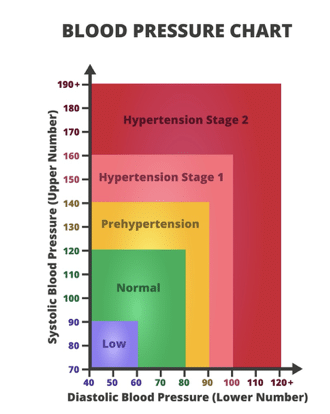
A normal adult blood pressure reading is generally considered less than 120/80 mmHg. Hypertension is officially diagnosed when readings are consistently 130/80 mmHg or higher (Stage 1) or 140/90 mmHg or higher (Stage 2). Regular monitoring is the only definitive way to confirm or rule out the condition.
Don’t Wait for a Crisis: Book Your Preventive Check-up Today in Northern VA
If you have experienced any of these subtle symptoms, it is essential to check in with a trusted primary care provider immediately. At Prima Medicine, we offer convenient, local high blood pressure management across Northern Virginia.
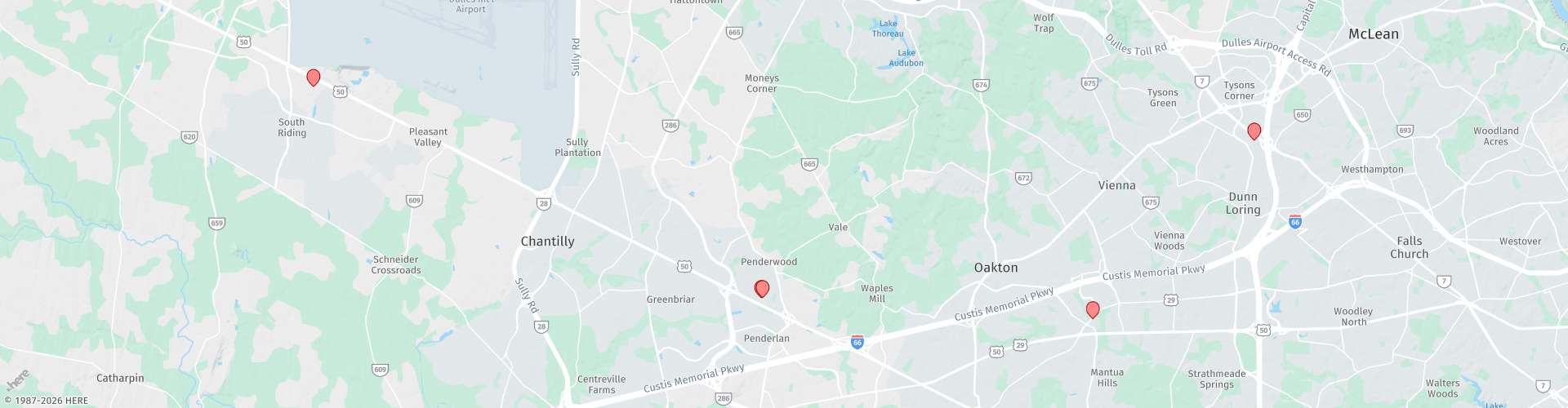
- Fairfax Location: Easy access for patients throughout Fairfax County.
- South Riding Location: Dedicated care for Loudoun County and Western Fairfax residents.
- Merrifield Location: Serving the Tysons and Dunn Loring areas with same-day care.
- Tysons Location: Specialized, compassionate primary care in the heart of Tysons Corner.
We provide personalized treatment plans, including lifestyle counseling, medication management, and nutritional guidance to effectively manage and reverse high blood pressure.
Contact Prima Medicine at (703) 870-3750 or book an appointment online
We are dedicated to helping you monitor your heart health and catch potential problems before they become emergencies.
High Blood Pressure FAQ – Recognizing the Early Warning Signs in Your Community
1. Where can I get a reliable blood pressure check in Fairfax or Tysons?
Prima Medicine has conveniently located offices in Fairfax, Merrifield, and Tysons, VA. We offer same-day appointments for comprehensive blood pressure measurement and cardiovascular risk assessment by a Washingtonian Top Doc team.
2. Why is high blood pressure called “The Silent Killer”?
It is called the silent killer because it typically causes no noticeable symptoms in its early stages while silently damaging vital organs, including the heart, brain, kidneys, and blood vessels, potentially leading to stroke or heart attack without warning.
3. Can frequent headaches be caused by high blood pressure?
Yes. Persistent, severe, or pounding headaches—especially those that occur early in the morning—can be a warning sign of dangerously elevated blood pressure, though they are not common in routine hypertension.
4. How does Prima Medicine help Northern Virginia residents manage hypertension?
Our four local practices offer a personalized, preventive approach to hypertension management, including annual physicals, customized medication management, lifestyle and DASH diet counseling, and convenient same-day visits right in your neighborhood.
5. Can Fatigue or Confusion be signs of hypertension?
Yes. Chronic high blood pressure can impair blood flow to the brain, resulting in reduced oxygen supply that manifests as persistent fatigue, mental fog, or confusion.
6. When should I be concerned about chest pain or irregular heartbeat?
Any chest discomfort (angina), tightness, or a sensation of a racing or fluttering heart (palpitations) should be evaluated promptly. High blood pressure places serious stress on the cardiovascular system and requires urgent assessment to rule out a cardiac event.
7. How can I schedule a blood pressure check or wellness exam in South Riding or Merrifield?
You can book an appointment online or call (703) 870-3750 to schedule your wellness visit. We offer same-day availability at our four Northern Virginia locations, including South Riding and Merrifield.