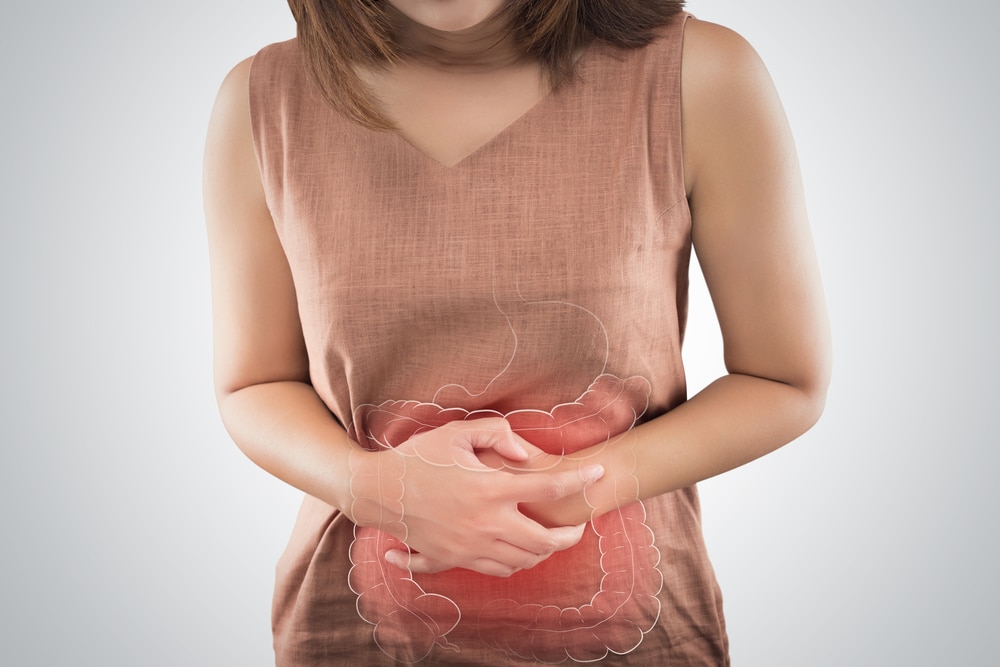
Peptic ulcers don’t usually cause diarrhea directly. More common symptoms include burning upper abdominal pain, indigestion, nausea, bloating, and feeling full soon after eating. When diarrhea occurs at the same time, it may be due to medication, an infection, another digestive problem, or a separate issue affecting your intestines.
Digestive concerns can be difficult to sort out when symptoms overlap. Serving Fairfax, South Riding, Merrifield, Tysons, and Fair Oaks, VA, Prima Medicine provides primary care for acute and ongoing health conditions. Its team of providers is led by medical director Chethana Rao, MD, a board-certified internal medicine physician with more than two decades of experience.
Why Diarrhea May Occur With an Ulcer
Although the ulcer itself probably isn’t causing loose stools, the two problems can still appear together. One possible reason is medication.
Antacids that contain magnesium can cause diarrhea. Antibiotics prescribed for a Helicobacter pylori (H. pylori) infection may also temporarily change your bowel habits. Because H. pylori treatment usually includes antibiotics, some people develop temporary diarrhea or other changes in bowel habits while taking their medication.
Diarrhea could also be related to:
- A viral or bacterial infection
- Food intolerance
- Irritable bowel syndrome
- Inflammatory bowel disease
- Celiac disease
- A reaction to another medication
Because several digestive conditions can cause stomach discomfort and diarrhea, it’s important not to assume an ulcer is responsible for every issue.
Signs That Point More Strongly to an Ulcer
Ulcer discomfort often feels like burning or aching between your breastbone and belly button. The pain may become more noticeable when your stomach is empty, although eating can make some stomach ulcers feel worse.
Other possible signs include nausea, belching, bloating, reduced appetite, and unexplained weight loss. Some ulcers don’t produce noticeable symptoms until complications develop.
Black, sticky, or tar-like stool can signal bleeding in the upper digestive tract, even when the stool is loose. Seek prompt medical care if this occurs. Vomiting blood, severe abdominal pain, faintness, or sudden weakness also needs urgent care.
What Persistent Diarrhea Could Be Telling You
A brief episode of diarrhea often improves on its own. Seek medical guidance when diarrhea lasts more than a few days, keeps returning, or occurs with dehydration, fever, severe pain, blood, black stool, or unexplained weight loss.
Your provider may review your diet, medications, bowel patterns, and abdominal symptoms. Testing for H. pylori, blood loss, infection, or another digestive disorder might help identify what’s happening.
Get Answers About Ongoing Digestive Problems
Diarrhea isn’t considered a typical sign of a peptic ulcer, but having both at once is a good reason to look more closely at your digestive health. A provider at Prima Medicine can help identify whether these issues are related or caused by separate concerns.
For care in Fairfax, South Riding, Merrifield, or Tysons, VA, contact us at (703) 870-3750 or book online.