High Blood Pressure FAQs

High blood pressure, also known as hypertension, occurs when the pressure of the blood flowing against the artery walls is above the normal range. Blood pressure is measured in two sets of numbers. The first number is the systolic reading, which is the pressure when the heart is beating. The second number is the diastolic number, the pressure when the heart is resting. High blood pressure occurs when the systolic reading is at 140 or higher and/or the diastolic reading is 90 or above.


High Blood Pressure FAQs

Allergy Treatment

High Blood Pressure FAQs

Family Medicine

High Blood Pressure FAQs

School Physicals

High Blood Pressure FAQs

Complete Blood Count

High Blood Pressure FAQs

Common Cold Care

High Blood Pressure FAQs

Constipation Treatment

High Blood Pressure FAQs

Diet and Exercise

High Blood Pressure FAQs

Employment Physicals

High Blood Pressure FAQs

Endocrinology

High Blood Pressure FAQs

Osteoporosis & Bone Health

High Blood Pressure FAQs

Lipid Disorders

High Blood Pressure FAQs

Flu Vaccination

High Blood Pressure FAQs

Adrenal Gland Disorders

High Blood Pressure FAQs

Reproductive Hormone Disorders

High Blood Pressure FAQs

High Cholesterol

High Blood Pressure FAQs

Stomach Ulcer

High Blood Pressure FAQs

Immigration Medical Exam

High Blood Pressure FAQs

Medical Laboratory Testing

High Blood Pressure FAQs

Hearing Loss

High Blood Pressure FAQs

Employment Physicals

High Blood Pressure FAQs

Pelvic Strength

High Blood Pressure FAQs

Routine Physical Exams

High Blood Pressure FAQs

Employment Physicals

High Blood Pressure FAQs

X-Rays

High Blood Pressure FAQs

Sports Physical

High Blood Pressure FAQs

Strep Throat

High Blood Pressure FAQs

Sleep Apnea

High Blood Pressure FAQs

Employment Physicals

High Blood Pressure FAQs

Walk-in Urgent Care

High Blood Pressure FAQs

Arthritis

High Blood Pressure FAQs

Angina

High Blood Pressure FAQs

Chronic Care Management

High Blood Pressure FAQs

Blood Thinner

High Blood Pressure FAQs

Dementia

High Blood Pressure FAQs

Diabetic Retinopathy

High Blood Pressure FAQs

Diabetes

High Blood Pressure FAQs

Heart Attack

High Blood Pressure FAQs

Hyperthyroidism

High Blood Pressure FAQs

High Blood Pressure

High Blood Pressure FAQs

Medicare Annual Wellness Visit

High Blood Pressure FAQs

Low Blood Pressure

High Blood Pressure FAQs

Medicare Enrollment

High Blood Pressure FAQs

Peptic Ulcer Symptoms

High Blood Pressure FAQs

Retina Vision Scan

High Blood Pressure FAQs

Stroke Symptoms

Previous slide
Next slide

The causes of high blood pressure are not known. It cannot be cured but it can be controlled with lifestyle changes and prescribed medication. About one in three Americans have high blood pressure and most of them are not aware that they have it. High blood pressure does not have any signs, which is why it is so dangerous.

Additional Resources

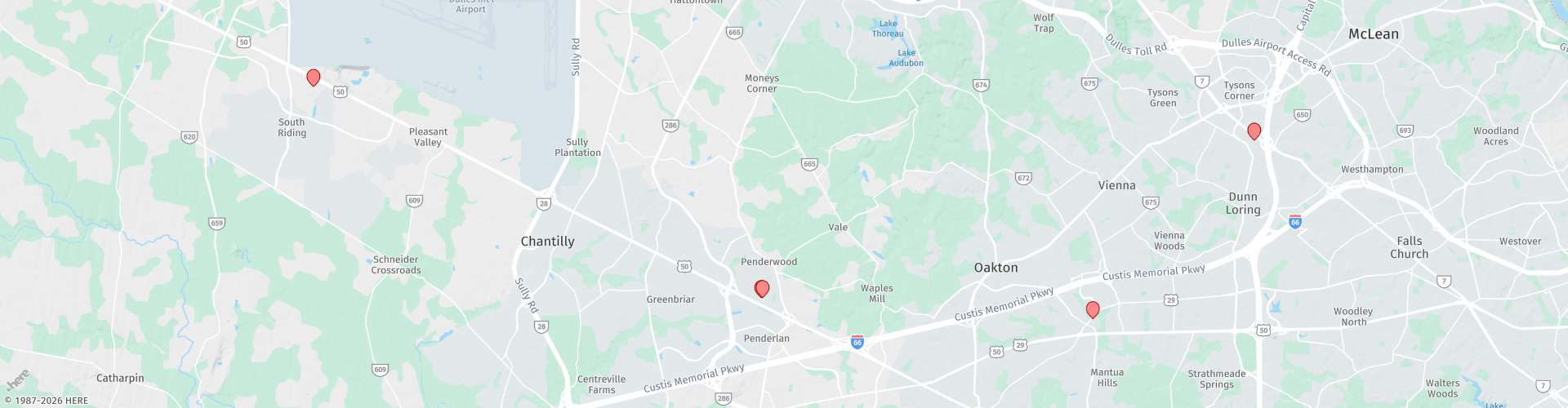
Your trusted Family and Internal Medicine providers in FairfaxSouth RidingMerrifield, and Tysons.

Contact Us Today

*All indicated fields must be completed. 

Please include non-medical questions and correspondence only.

Accessibility Toolbar

Scroll to Top