
A heart attack, also known as a myocardial infarction, occurs when blood flow to part of the heart muscle becomes blocked, preventing oxygen from reaching the tissue. This blockage is most commonly caused by a buildup of plaque in the coronary arteries, which can rupture and form a blood clot. Without immediate treatment, the affected heart muscle begins to die, potentially leading to life-threatening complications. Heart attacks are a leading cause of death in the United States, but with prompt medical intervention and ongoing management of high blood pressure, high cholesterol, and other lipid disorders, outcomes can be significantly improved.
At Prima Medicine in Fairfax, South Riding, Merrifield, and Tysons, Virginia, Dr. Chethana Rao provides comprehensive cardiovascular care focused on prevention, early detection, and ongoing management of heart disease risk factors. As a Washingtonian magazine Top Doc, Dr. Rao works closely with patients to develop treatment plans that address conditions like diabetes, hypertension, and high cholesterol—all major contributors to heart attack risk.



























Recognizing Heart Attack Symptoms
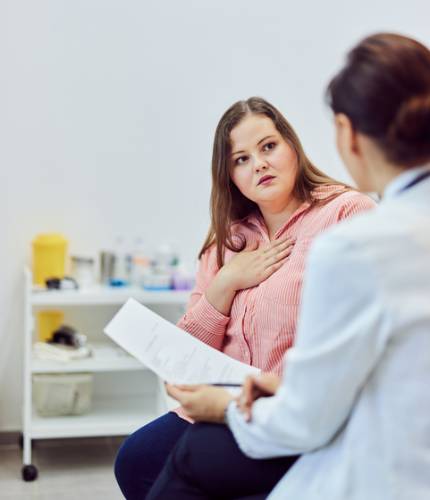
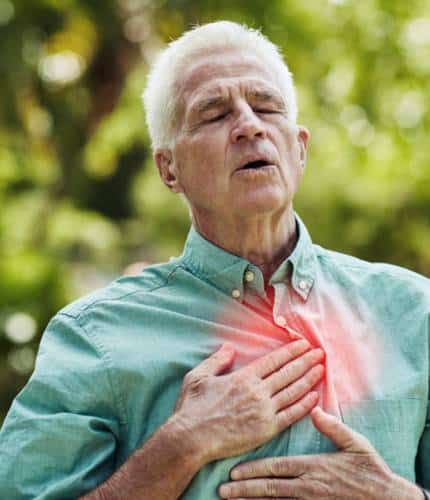
Heart attack symptoms can vary from person to person, and recognizing them quickly is critical for survival. The most common warning sign is chest pain or discomfort that may feel like pressure, squeezing, fullness, or pain. This discomfort can last for several minutes or come and go.
Other symptoms include:
- Pain or discomfort in the arms, back, neck, jaw, or stomach
- Shortness of breath
Cold sweats - Nausea
- Lightheadedness
Women may experience additional symptoms, such as:
- Unusual fatigue
- Heartburn-like discomfort
- Abdominal pain
If you experience any combination of these symptoms, call 911 immediately—early treatment saves lives and minimizes heart damage.
What Are the Risk Factors?
Several modifiable factors increase your risk of having a heart attack, including:
- Smoking
- Physical inactivity
- Poor diet
- Obesity
- Uncontrolled high blood pressure
- Elevated cholesterol levels
- Diabetes
Non-modifiable factors include age, family history, and gender. Individuals with a history of angina or previous cardiovascular events face increased risk.
Diagnosis and Emergency Treatment
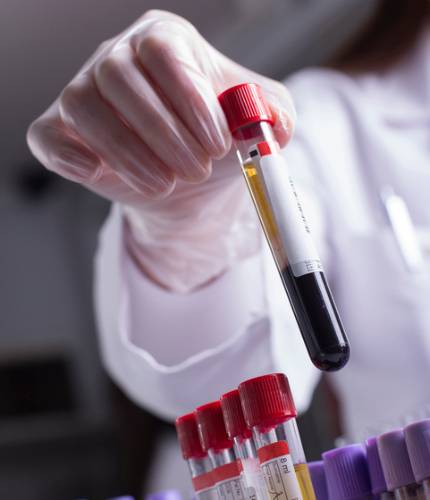
When a heart attack is suspected, emergency medical teams perform an electrocardiogram (ECG) to assess heart rhythm and blood tests to check for cardiac enzymes. Additional imaging, such as echocardiograms or coronary catheterization, may be needed to determine the extent of damage and locate blockages.
Immediate treatment typically includes aspirin to prevent further clotting, medications to dissolve clots, and procedures such as angioplasty or stenting to restore blood flow. In some cases, coronary artery bypass surgery may be necessary.
Prevention and Long-Term Management
Preventing a heart attack—or preventing a second one—requires a comprehensive approach to cardiovascular health. Lifestyle modifications such as adopting a heart-healthy diet, engaging in regular physical activity, quitting smoking, and managing stress play crucial roles.
Medical management may include medications to control blood pressure, lower cholesterol, prevent blood clots, and manage diabetes. Patients who have experienced a heart attack benefit from cardiac rehabilitation programs and ongoing monitoring. Related conditions, such as stroke risk and low blood pressure, may also require attention as part of a holistic treatment plan.
Why Choose Prima Medicine?
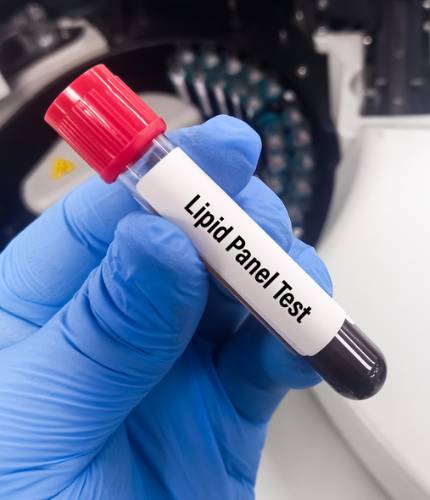
Prima Medicine specializes in comprehensive cardiovascular risk assessment and heart disease prevention. Under the leadership of Dr. Chethana Rao, a Washingtonian magazine Top Doc, our practice provides thorough evaluations to identify your individual heart attack risk factors and develop personalized prevention strategies. We offer advanced diagnostic testing, including cholesterol panels, blood pressure monitoring, and diabetes screening, to catch warning signs early.
As part of Privia Medical Group, we coordinate seamlessly with cardiologists and specialists when needed, ensuring you receive comprehensive care. Dr. Rao takes time to understand your complete health picture, addressing interconnected conditions like hypertension, high cholesterol, and diabetes that significantly impact heart health. Our patient-centered approach means you’ll never feel rushed through appointments, and you’ll have access to same-day and weekend appointments when urgent concerns arise.
FAQs
Schedule Your Cardiovascular Assessment Today
If you’re concerned about heart attack risk or managing cardiovascular disease, Prima Medicine in Fairfax, South Riding, Merrifield, and Tysons, VA, is here to help. Dr. Rao and our experienced medical team provide thorough evaluations, personalized treatment plans, and ongoing support to protect your heart health. Call (703) 870-3750 or book an appointment online today.