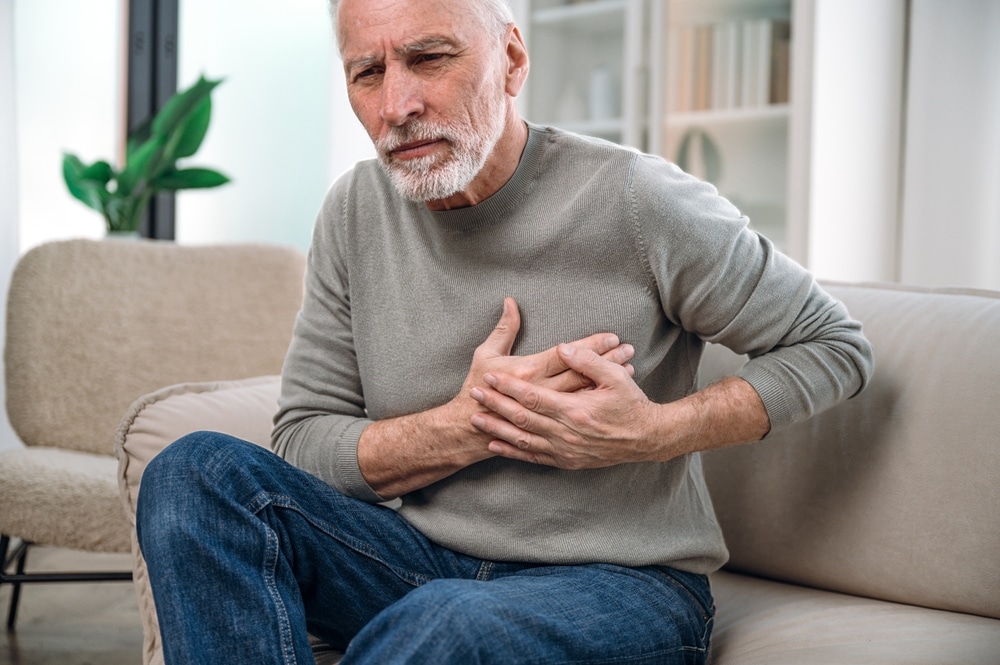
Low blood pressure, medically known as hypotension, occurs when blood pressure readings fall below 90/60 mmHg. While many people strive to maintain lower blood pressure to avoid high blood pressure complications, excessively low readings can lead to inadequate blood flow to vital organs, potentially causing dizziness, fainting, and in severe cases, organ damage.
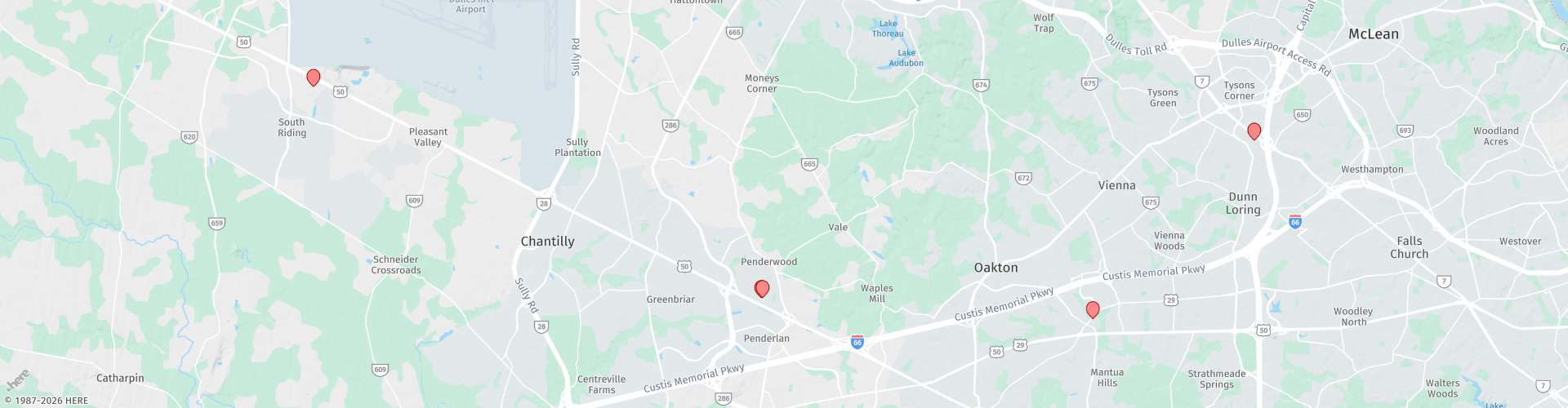
At Prima Medicine in Fairfax, South Riding, Merrifield, and Tysons, Virginia, Dr. Chethana Rao and her experienced team provide evaluation and personalized treatment for cardiovascular conditions, including low blood pressure.






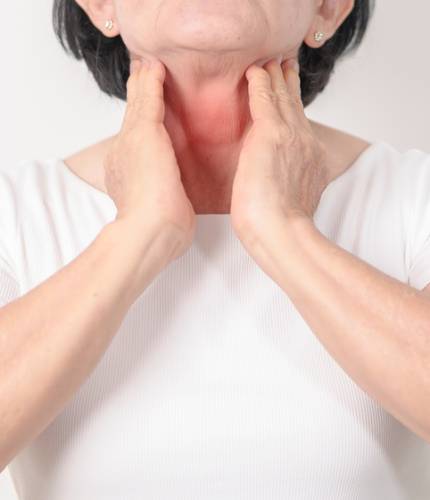
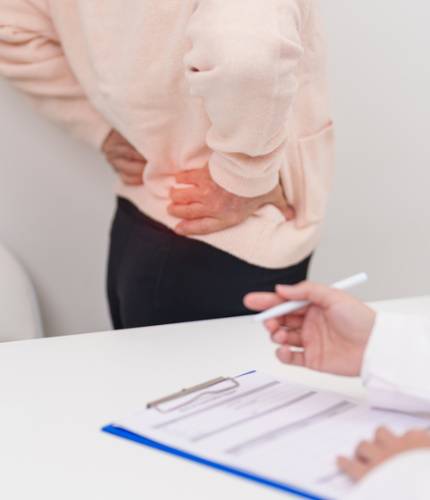
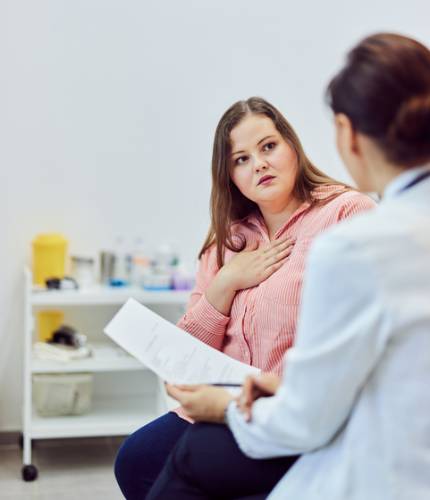

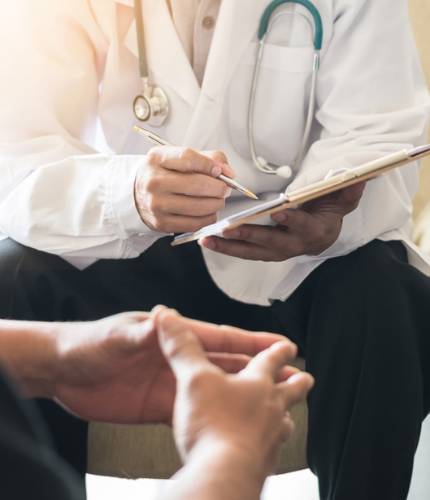
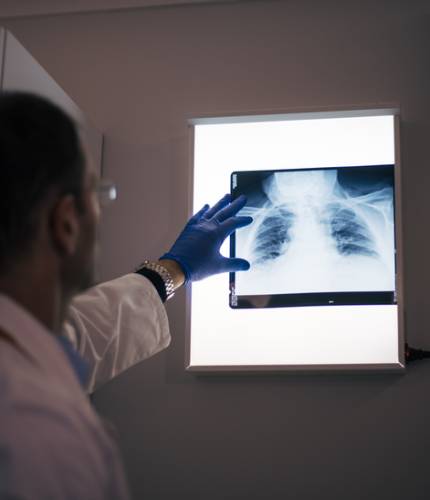
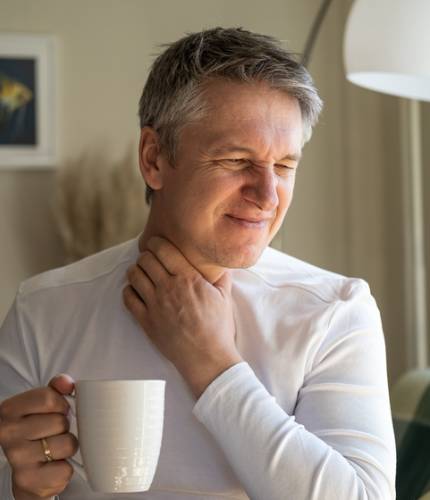










What Is Low Blood Pressure?
Blood pressure measures the force of blood against artery walls as your heart pumps. It’s recorded as two numbers: systolic pressure (when the heart beats) over diastolic pressure (when the heart rests between beats).
While readings at or below 120/80 mmHg are generally considered healthy, measurements consistently below 90 systolic or 60 diastolic may indicate hypotension. Some individuals naturally maintain lower blood pressure without symptoms, while others experience problematic drops requiring medical attention.
Common Causes of Low Blood Pressure
Several factors can contribute to low blood pressure, including:
- Dehydration
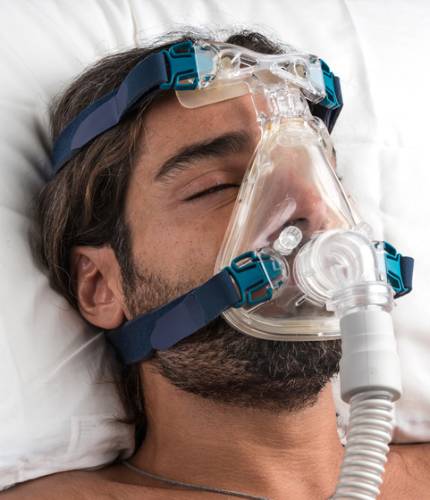
- Prolonged bed rest
- Pregnancy
- Certain medications
- Nutritional deficiencies
- Endocrine problems such as hypothyroidism or adrenal gland disorders
- Blood loss
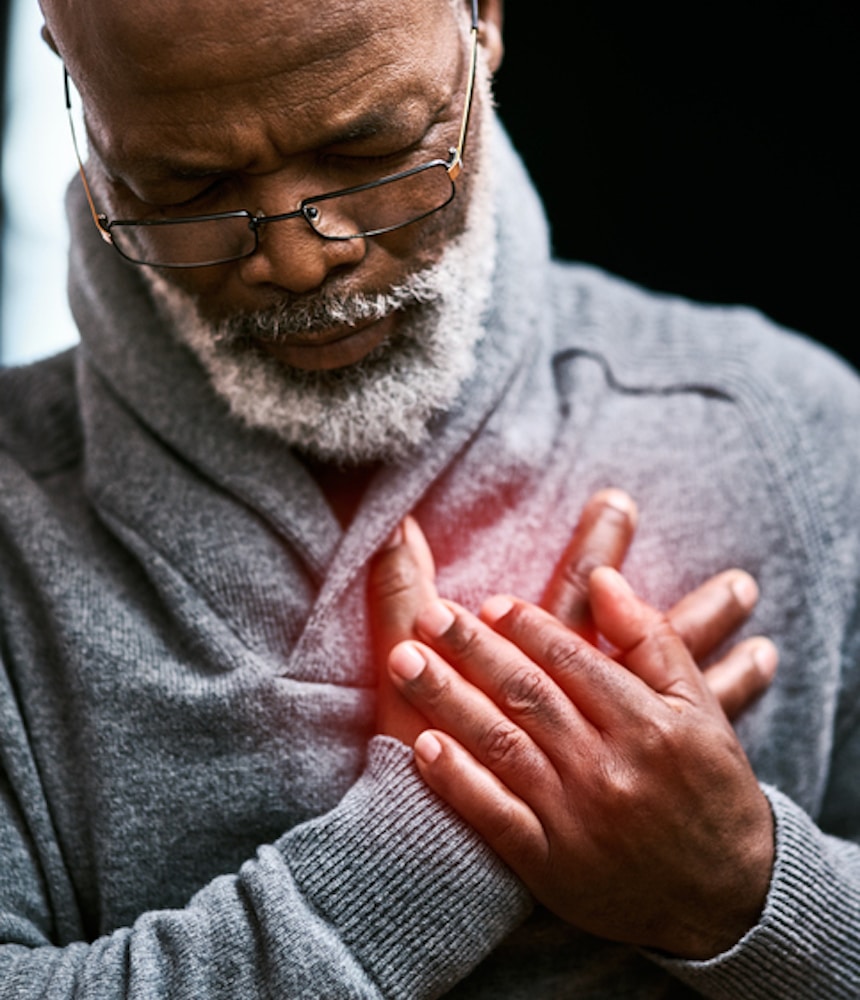
- Heart conditions that affect your body’s ability to maintain adequate pressure
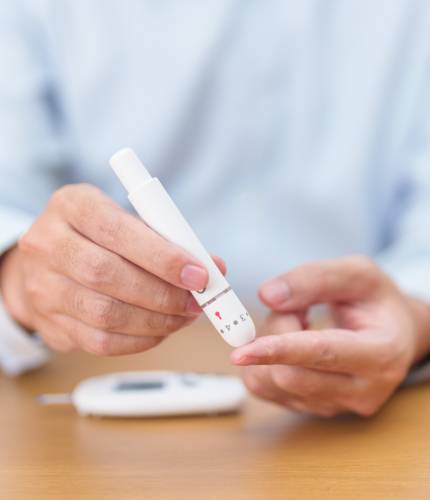
- Diabetes, which can lead to blood pressure fluctuations
- Postural hypotension (sudden blood pressure drop upon standing)
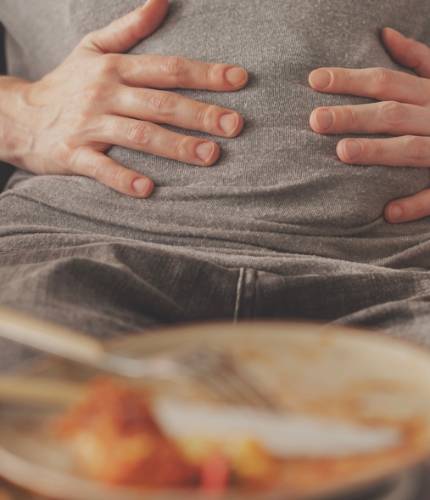
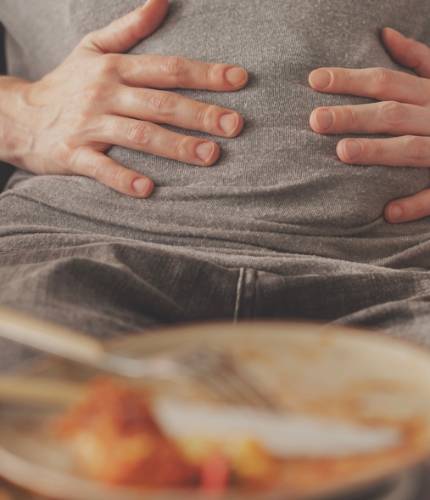
- Postprandial hypotension (blood pressure drop after eating)
Recognizing the Symptoms
While some people with low blood pressure remain symptom-free, others may experience warning signs including:
- Dizziness or lightheadedness
- Fainting (syncope)
- Blurred or narrowing vision
- Nausea
- Fatigue and weakness
- Difficulty concentrating
- Cold, clammy skin
- Rapid, shallow breathing
Severe hypotension can lead to shock, a life-threatening condition requiring immediate emergency care. Signs include confusion, rapid pulse, and pale skin.
Diagnosis and Monitoring
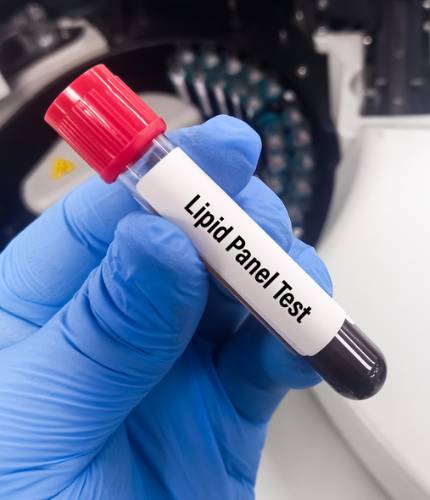
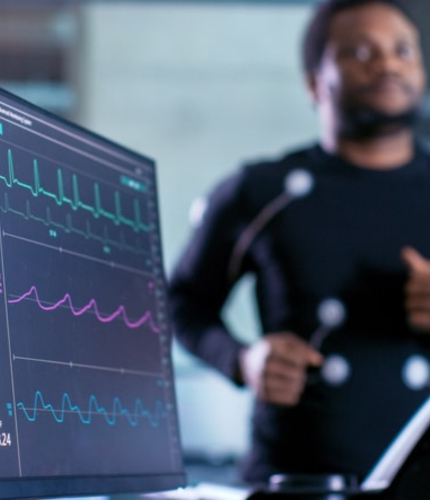
Proper diagnosis involves measuring blood pressure in different positions and situations. Your physician may recommend a blood pressure monitor for home use to track patterns throughout the day. Additional tests, such as blood work, electrocardiogram (EKG), or tilt table testing, may help identify underlying causes.
Treatment and Management Options
Treatment for low blood pressure depends on the underlying cause and symptom severity. Simple lifestyle modifications often provide relief, including increasing fluid intake, adding more salt to your diet under medical supervision, wearing compression stockings, and rising slowly from sitting or lying positions.
Your doctor may adjust medications that contribute to low pressure or prescribe medications to raise blood pressure when necessary. Addressing root causes such as hormonal imbalances or heart conditions forms the foundation of effective long-term management.
Why Choose Prima Medicine?
Prima Medicine offers exceptional care for blood pressure management under the leadership of Dr. Chethana Rao, recognized as Washingtonian magazine’s 2018 Top Doc. As part of Privia Medical Group, we provide coordinated, comprehensive care with access to specialists when needed. Our practice never rushes appointments, ensuring you receive the thorough attention necessary for accurate diagnosis and personalized treatment plans. With convenient same-day and next-day appointments plus weekend hours available, we accommodate your schedule while prioritizing your cardiovascular wellness.
Schedule Your Consultation Today
Don’t let low blood pressure compromise your quality of life or put your health at risk. The team at Prima Medicine in Fairfax, South Riding, Merrifield, and Tysons, VA, is ready to help you protect your long-term health. Call (703) 870-3750 or book an appointment online today.