
Bone loss often progresses quietly, without pain or warning signs, until a fracture occurs. Many people are surprised to learn they have low bone density during routine testing or after a minor fall causes an unexpected injury. Because bone strength is closely tied to hormonal balance, changes within the endocrine system can have a direct impact on fracture risk and long-term mobility. At Prima Medicine, osteoporosis and related bone health concerns are addressed with a careful, long-term approach focused on prevention, stability, and preserving independence.
Bone health care at Prima Medicine is led by Dr. Janice E. McMillan, MD, a board-certified endocrinologist with extensive experience managing metabolic bone disorders. As part of a physician-directed, multispecialty practice, Prima Medicine provides coordinated endocrine care across all locations, allowing patients throughout Northern Virginia to access consistent, specialized bone health management.








































What Is Osteoporosis?
Osteoporosis is a condition characterized by reduced bone density and structural weakening of bone tissue, making bones more susceptible to fractures. It most commonly affects the spine, hips, and wrists. Osteoporosis may develop due to aging, hormonal changes, nutritional deficiencies, medication use, or underlying medical conditions that interfere with normal bone remodeling.
Other Bone Health Conditions and Disorders
Hormones and Bone Health
Bone density is maintained through a tightly regulated process that relies on stable hormone levels. When this balance is disrupted, bone breakdown can outpace bone formation, increasing fracture risk.
Hormonal shifts related to aging, menopause, or underlying endocrine conditions are among the most common contributors to osteoporosis in both women and men.
Symptoms of Poor Bone Health
Osteoporosis and osteopenia often cause no symptoms until a fracture occurs. Some individuals may notice height loss, changes in posture, or back pain related to spinal compression fractures. Because early bone loss is silent, screening and risk assessment are critical.
Bone Health Evaluation and Treatment
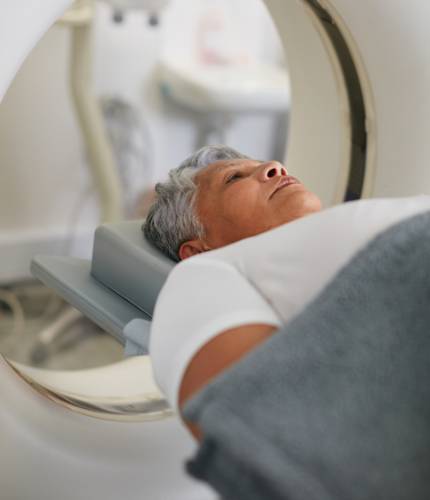
Bone health evaluation typically includes x-rays, bone density testing, laboratory assessment of calcium and vitamin D levels, and review of factors that influence bone metabolism. Dr. McMillan evaluates fracture risk in the context of medical history, medications, and hormonal status.
Treatment plans may include prescription medications to slow bone loss or support bone strength, targeted supplementation to address calcium or vitamin D deficiencies, and practical lifestyle guidance related to nutrition, activity, and fall prevention. Ongoing monitoring allows changes in bone density to be tracked over time, helping adjust care as needed and reduce the risk of fractures as bone health evolves.
Why Choose Prima Medicine for Osteoporosis Treatment?
Dr. Janice E. McMillan brings advanced endocrinology training and academic experience to the management of osteoporosis and metabolic bone disease. She previously served as an Assistant Professor and Clinical Endocrinologist at West Virginia University and completed fellowship training in Clinical Endocrinology and Metabolism at the University of Virginia, where she served as Chief Fellow. Dr. McMillan provides evidence-based care focused on long-term bone strength, fracture prevention, and patient education alongside the rest of the Prima Medicine team.
Frequently Asked Questions
Protecting Bone Health Over Time
Osteoporosis and bone health disorders benefit from early evaluation and ongoing endocrine care. Prima Medicine provides comprehensive bone health management. Call (703) 870-3750 or book an appointment online at one of our four locations: Fairfax, South Riding, Merrifield, or Tysons.