Hormone fluctuations are part of aging, but persistent fatigue, poor sleep, mood swings, or a drop in sex drive can also point to a medical concern. When symptoms interrupt your routine or feel out of character, a hormone evaluation may help clarify the cause. If a hormone deficiency is diagnosed, hormone replacement therapy is one potential treatment option.
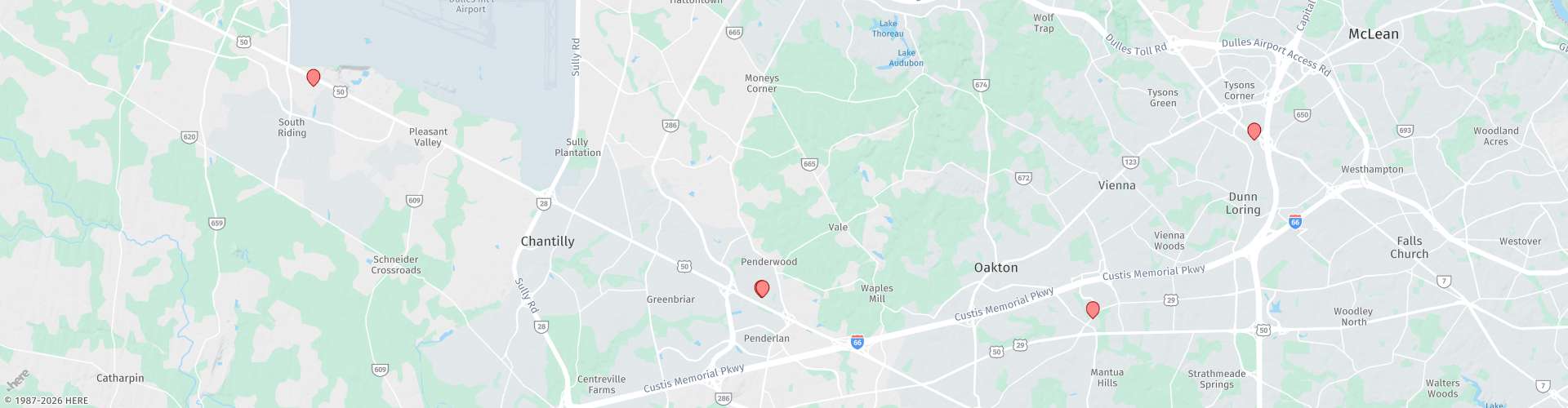
Serving Fairfax, South Riding, Merrifield, and Tysons, VA, Prima Medicine helps adults make sense of these changes. Our medical director, Chethana Rao, MD, is board-certified in internal medicine and has more than two decades of medical experience. We consider your symptoms and medical history rather than assuming every change is simply part of getting older.
Which Symptoms Deserve a Closer Look?
Your hormones influence everything from temperature regulation to sexual health. Problems worth bringing up at an appointment include:
- Frequent hot flashes or night sweats: These can be linked to declining estrogen during perimenopause and menopause.
- Irregular periods or vaginal dryness: Shifting reproductive hormones may affect menstrual patterns and vaginal comfort.
- Lower sex drive or erection changes: Persistent symptoms sometimes occur with testosterone deficiency, although other causes are possible.
- Unusual fatigue or mood shifts: Hormonal conditions can contribute, but so can stress, anemia, medication effects, and sleep disorders.
- Unexplained weight or temperature changes: Feeling unusually cold or hot, especially alongside weight fluctuations, may suggest a thyroid problem.
No single issue proves you have a hormone imbalance. What matters is the pattern, how long it’s lasted, and how much it’s affecting your life.
When Should You Have Your Hormones Checked?
Consider an appointment when symptoms persist, worsen, or disrupt work, relationships, or sleep. Changes in your menstrual cycle before age 45, ongoing sexual concerns, and unexplained shifts in energy or weight also deserve attention.
Bleeding after menopause needs prompt medical evaluation rather than an assumption that hormones are to blame.
What Happens During a Hormone Evaluation?
We’ll ask when your symptoms started, review medications and medical history, and discuss any relevant changes in sleep, stress, or menstrual cycles. A physical exam and selected blood tests may follow.
Testing isn’t the same for everyone. According to the American College of Obstetricians & Gynecologists, typical perimenopause can often be identified from symptoms and menstrual history without routine hormone blood tests because levels fluctuate.
For men with suspected testosterone deficiency, the Endocrine Society recommends confirming low levels with two separate early-morning, fasting testosterone blood tests. Thyroid testing might also be helpful.
Find the Right Care for Your Symptoms
Hormone therapy isn’t automatically the answer. At Prima Medicine, we consider the most appropriate treatment based on your diagnosis and health history.
You don’t have to dismiss ongoing symptoms as a normal part of getting older. To discuss your concerns with the team at Prima Medicine in Fairfax, South Riding, Merrifield, or Tysons, VA, contact us or call 703-870-3750.