Hypothyroidism is one of the most common endocrine disorders, affecting millions of Americans when the thyroid gland fails to produce adequate hormones. This butterfly-shaped gland in your neck plays a crucial role in regulating metabolism, energy levels, body temperature, and numerous other vital functions. When thyroid hormone production drops below normal levels, your body’s systems slow down, leading to a wide range of symptoms that can significantly impact your quality of life. While hypothyroidism is more common in women and those over 60, it can affect anyone at any age.
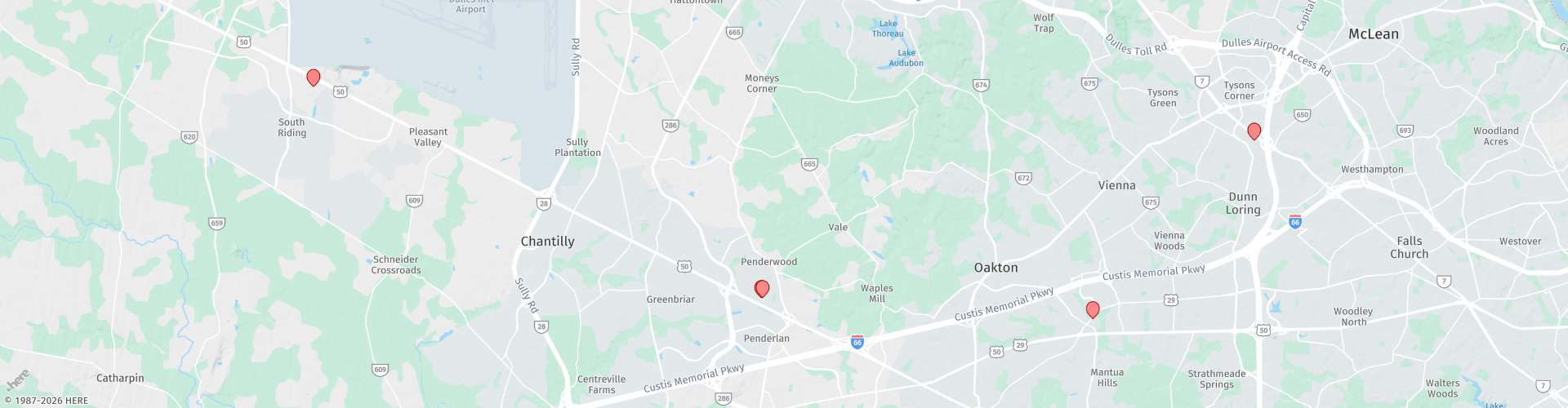
At Prima Medicine, Dr. Janice E. McMillan and our endocrinology team ensure you receive comprehensive, evidence-based care for thyroid disorders. With convenient locations in Fairfax, South Riding, Merrifield, and Tysons, VA, we combine advanced diagnostic testing with personalized treatment plans to restore your energy, metabolism, and overall wellness.
What Is Hypothyroidism?
The thyroid gland produces two primary hormones—thyroxine (T4) and triiodothyronine (T3)—that influence nearly every cell in your body. When production of these hormones decreases, metabolic processes slow down, affecting everything from heart rate and digestion to mood and cognitive function.
Left untreated, hypothyroidism can contribute to elevated cholesterol levels, heart disease, fertility challenges, and other serious health complications.
Common Symptoms
Hypothyroidism symptoms often develop gradually over months or years, making them easy to attribute to aging or stress. Patients commonly experience:
- Persistent fatigue and low energy
- Unexplained weight gain
- Increased sensitivity to cold
- Dry skin and brittle hair
- Muscle weakness and joint pain
- Depression or mood changes
- Memory problems and difficulty concentrating
- Constipation
- Irregular or heavy menstrual periods
- Slowed heart rate
Causes and Risk Factors
Hashimoto’s thyroiditis, an autoimmune condition where the immune system attacks the thyroid gland, is the leading cause of hypothyroidism in the United States.
Other causes include radiation therapy to the neck, thyroid surgery, certain medications, iodine deficiency, and pituitary gland disorders. Risk factors include family history, being female, age over 60, pregnancy, and having other autoimmune conditions.
Diagnosis
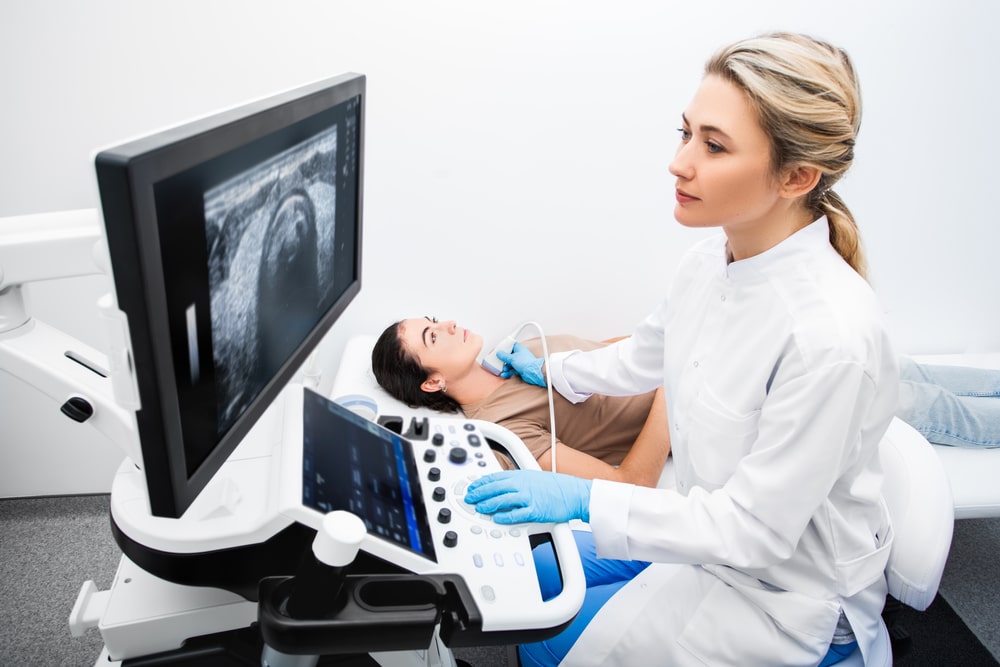
Diagnosing hypothyroidism involves a thorough evaluation, including physical examination and blood tests. The primary screening test measures thyroid-stimulating hormone (TSH) levels. When thyroid hormone is low, the pituitary gland produces more TSH to stimulate the thyroid. Additional tests may include thyroid hormone levels (free T4) and thyroid antibody tests to identify autoimmune causes.
Treatment Options
The standard treatment for hypothyroidism is daily thyroid hormone replacement therapy with synthetic levothyroxine. This medication effectively restores normal hormone levels, and most patients experience significant symptom improvement within a few weeks.
Your physician will carefully adjust your dosage based on regular blood tests to ensure optimal hormone levels. While most patients require lifelong treatment, proper management allows you to live a normal, healthy life.
Living with Hypothyroidism
Managing hypothyroidism involves a few simple habits that support your treatment:
Take medication daily: Take your thyroid medication on an empty stomach at the same time each day.
Watch for interactions: Some foods, supplements, and medications can affect how your medication works.
Schedule regular check-ups: Routine lab tests help ensure your thyroid levels stay well controlled.
Eat a balanced diet: Healthy foods support your energy and metabolism.
Stay active: Regular exercise can help improve energy and overall wellness.
Get enough rest: Good sleep and stress management support your health.
When to See a Doctor
Schedule an appointment if you experience persistent fatigue, unexplained weight changes, depression, or other symptoms of hypothyroidism. If you’ve been diagnosed with hyperthyroidism or received thyroid treatment in the past, regular monitoring is essential. Pregnant women and those planning pregnancy should discuss thyroid screening, as proper hormone levels are critical for fetal development.
Why Choose Prima Medicine for Thyroid Disorder Treatment?
Dr. Janice E. McMillan brings deep endocrinology expertise to Prima Medicine, shaped by years of academic medicine and complex patient care. She previously served as an Assistant Professor and Clinical Endocrinologist at West Virginia University, where she managed diverse thyroid and metabolic disorders while mentoring medical trainees.
Her fellowship training in Clinical Endocrinology and Metabolism at the University of Virginia, where she served as Chief Fellow, reflects advanced specialization and leadership in endocrine care. As a published author in peer-reviewed endocrinology journals, Dr. McMillan combines evidence-based medicine with a thoughtful, patient-focused approach that prioritizes clarity, continuity, and trust.
Frequently Asked Questions
Schedule Your Thyroid Evaluation Today
Don’t let hypothyroidism hold you back from living your best life. Prima Medicine offers expert endocrine care with convenient locations in Fairfax, South Riding, Merrifield, and Tysons, VA. Call (703) 870-3750 or book online to schedule your comprehensive thyroid evaluation.