A high blood pressure reading can be unsettling, especially when your numbers are usually within a healthy range. Is one unexpected result an emergency, or could stress, caffeine, or even the way you used the cuff be responsible?
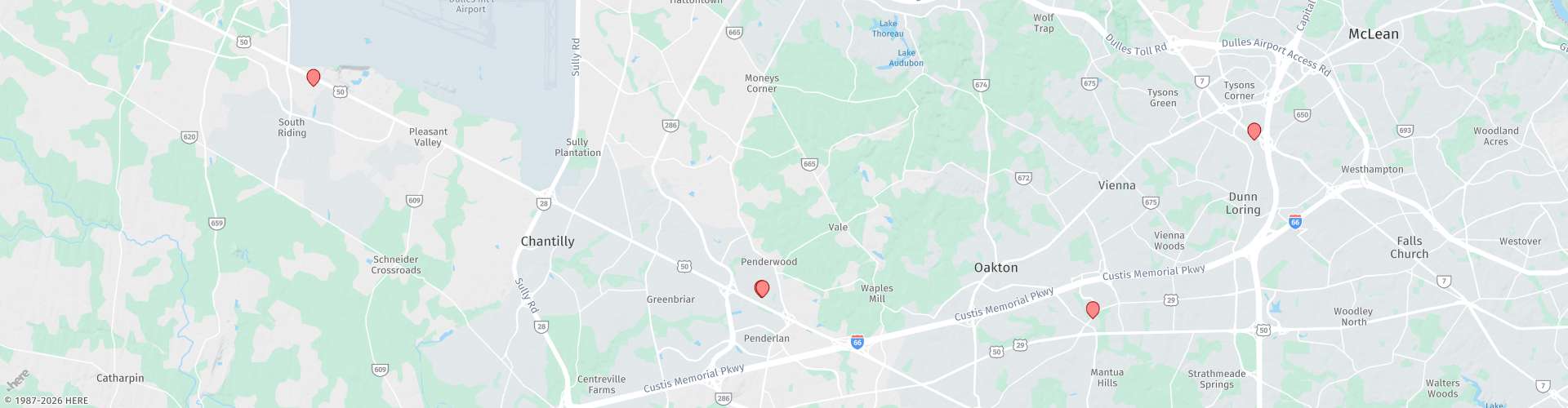
Prima Medicine provides comprehensive primary care for adults in Fairfax, South Riding, Merrifield, and Tysons, VA. Led by Washingtonian Top Doctor Chethana Rao, MD, the team takes the time to evaluate each patient’s symptoms, medical history, and cardiovascular risk factors.
This blog explains common causes of a blood pressure spike, what to do when it happens, and which warning signs require immediate care.
What Can Cause a Sudden Blood Pressure Spike?
Blood pressure naturally changes throughout the day. Physical activity, emotions, sleep, food, and medications can all affect your numbers.
Common causes of a temporary increase include:
- Stress, anxiety, or a sudden emotional event
- Pain from an injury, illness, or medical condition
- Exercise or physical exertion
- Caffeine, nicotine, or energy drinks
- A meal high in sodium
- Poor sleep
- A full bladder
- Cold medicines containing decongestants
- Certain prescription drugs or supplements
- Missing a dose of blood pressure medication
Sleep apnea, kidney disease, thyroid disorders, and other medical conditions may also contribute.
Could the Reading Be Inaccurate?
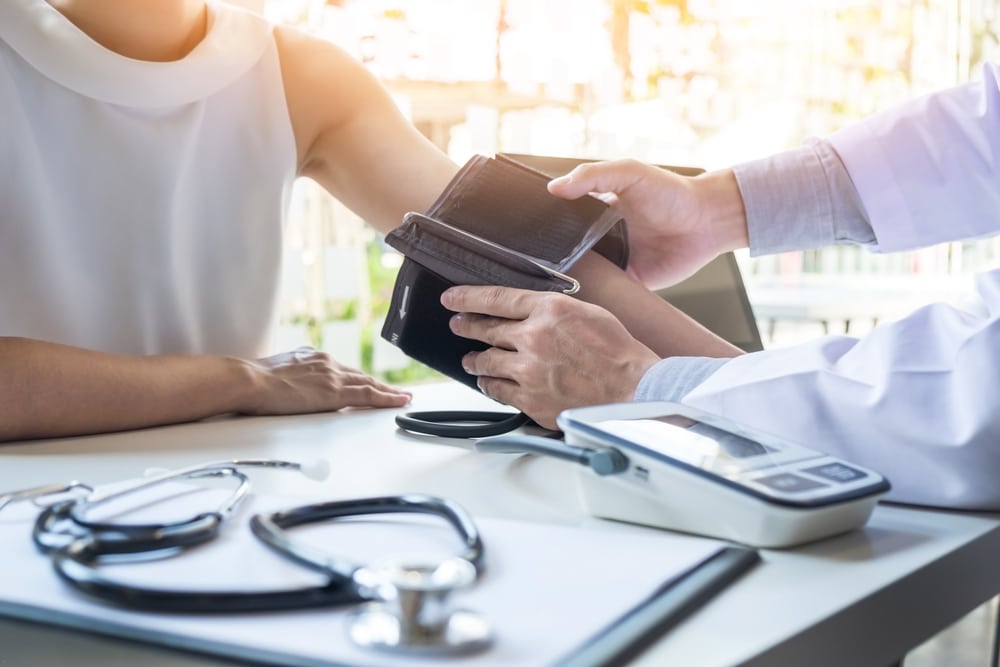
Sometimes, a blood pressure spike comes from how the measurement was taken. Talking, crossing your legs, using the wrong cuff size, or measuring immediately after exercise can affect the result.
For a more reliable reading:
- Rest quietly for at least five minutes.
- Sit with your back supported and feet flat.
- Place your arm on a surface at heart level.
- Keep the cuff against bare skin.
- Avoid talking during the measurement.
- Take a second reading after about one minute.
Write down both measurements so your healthcare provider can review them.
When Is High Blood Pressure an Emergency?
A systolic reading higher than 180 mm Hg and/or a diastolic reading greater than 120 mm Hg is considered severe. Wait at least one minute and check it again. If it remains that high without concerning symptoms, promptly call a healthcare professional for guidance.
Call 911 when your systolic pressure is higher than 180 and/or your diastolic pressure is above 120 mm Hg, and you also have chest pain, shortness of breath, back pain, weakness, numbness, vision changes, or difficulty speaking. These issues may signal a hypertensive emergency, stroke, or heart attack.
Get Your Blood Pressure Checked at Prima Medicine
One unusual reading does not always mean you have hypertension, but repeated spikes should not be ignored. Monitoring your numbers and identifying possible triggers can help your provider determine whether lifestyle changes, medication adjustments, or further testing may be needed.
Call Prima Medicine at (703) 870-3750 to schedule an appointment in Fairfax, South Riding, Merrifield, or Tysons, VA.