
Angina is chest pain or discomfort that occurs when the heart muscle doesn’t receive enough oxygen-rich blood. This condition, medically known as angina pectoris, is typically a symptom of underlying cardiovascular disease. When the coronary arteries narrow due to plaque buildup—a process called atherosclerosis—blood flow to the heart becomes restricted. Patients often describe angina as a squeezing, pressure, heaviness, or tightness in the chest. The discomfort may also radiate to the shoulders, arms, neck, jaw, or back. Seeking prompt medical attention is crucial, as angina can signal an increased risk of heart attack or other serious cardiac events.
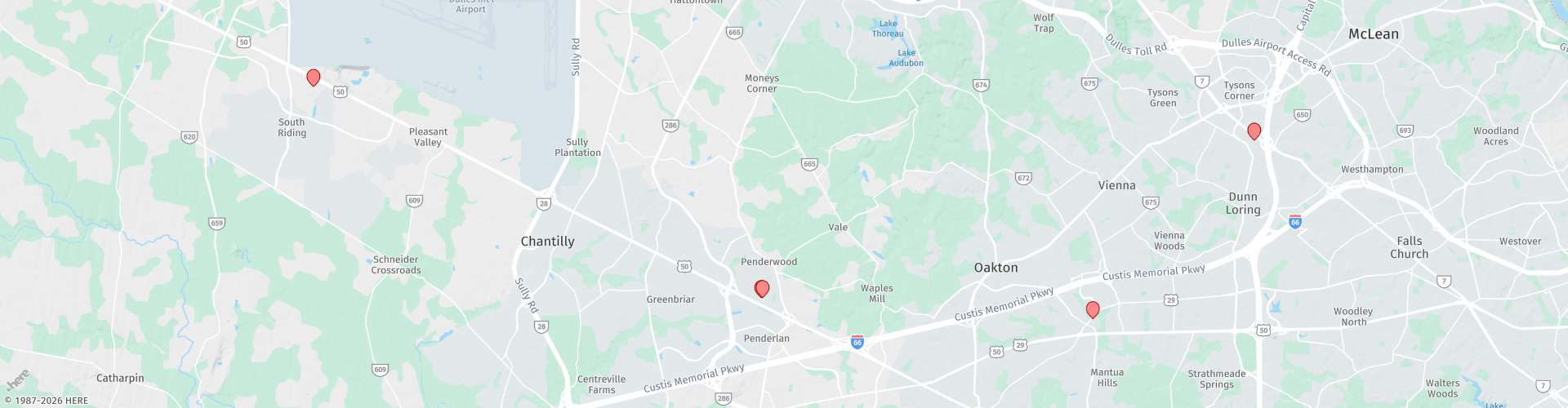
At Prima Medicine, Dr. Chethana Rao and her experienced team provide cardiovascular care for patients experiencing angina at our convenient locations in Fairfax, South Riding, Merrifield, and Tysons, Virginia.

































Symptoms of Angina
While chest pain is the hallmark symptom, angina can present differently in each individual. Common symptoms include:
- Chest pressure, tightness, or squeezing sensation
- Shortness of breath
- Fatigue or unusual tiredness
- Dizziness or lightheadedness
- Nausea
- Sweating
- Pain radiating to shoulders, arms, neck, jaw, or back
- Atypical symptoms such as unexplained fatigue or indigestion (particularly in women and those with diabetes)
It’s important to note when symptoms occur—whether during physical activity, emotional stress, or at rest—as this information helps your physician determine the type and severity of your condition.
When to Seek Immediate Care
Certain symptoms require immediate emergency attention. Call 911 if you experience chest pain that doesn’t improve with rest or medication, chest pain lasting more than a few minutes, chest pain accompanied by nausea, sweating, or shortness of breath, or any chest pain that feels different from your usual angina pattern. These symptoms may indicate a heart attack, which requires immediate intervention to minimize heart damage and save your life.
Types of Angina
Medical professionals classify angina into several types based on patterns and triggers:
- Stable Angina: The most common form, occurring predictably during exertion or stress and typically relieved with rest or medication
- Unstable Angina: More serious and unpredictable, occurring at rest or with minimal exertion, and may signal an impending heart attack requiring immediate medical attention
- Variant Angina (Prinzmetal’s Angina): Results from coronary artery spasms and usually occurs at rest, often during nighttime hours
- Microvascular Angina: Affects the smallest coronary arteries and may be more difficult to diagnose with standard testing
Risk Factors for Angina
Several factors increase your risk of developing angina:
- High blood pressure
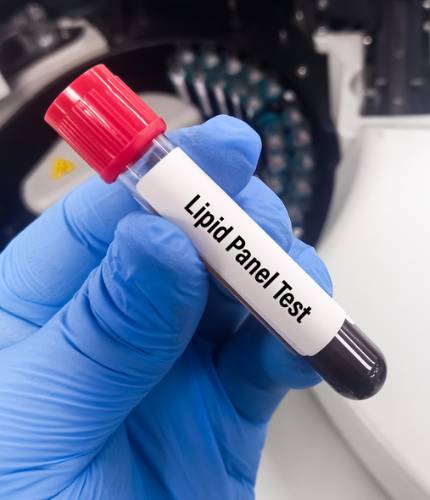
- High cholesterol
- Smoking or tobacco use
- Obesity or excess weight
- Sedentary lifestyle or physical inactivity
- Family history of heart disease
- Age (risk increases with age)
- Diabetes or metabolic disorders
- Chronic stress
Treatment Options for Angina
Treatment for angina focuses on reducing symptoms, preventing progression, and lowering the risk of stroke and heart attack. Treatment approaches include:
Lifestyle Modifications:
- Heart-healthy dietary changes
- Regular physical activity and exercise programs
- Smoking cessation
- Stress management techniques
- Maintaining a healthy weight
Medications:
- Nitrates to dilate blood vessels and improve blood flow
- Beta-blockers to reduce heart workload and oxygen demand
- Calcium channel blockers to relax arteries
- Aspirin to prevent blood clots
- Statins to lower cholesterol levels
Interventional Procedures:
- Angioplasty with stenting to open blocked arteries
- Coronary artery bypass surgery to restore adequate blood flow to the heart
Why Choose Prima Medicine?
Prima Medicine provides cardiovascular care with a focus on careful evaluation, clear communication, and long-term support for your heart health. The practice is led by Dr. Chethana Rao, a board-certified internal medicine physician recognized as a Washingtonian magazine Top Doc. Our providers take the time to listen to your concerns, review your symptoms, and explain your diagnosis so you feel informed and confident about your treatment plan.
Patients benefit from on-site diagnostic testing and coordinated care through Privia Medical Group, making it easier to connect with specialists when needed. With convenient scheduling, including same-day, next-day, and weekend appointments, our team works to ensure you receive timely care and ongoing guidance to help manage angina and support lifelong cardiovascular health.
Schedule Your Cardiovascular Evaluation
Contact Prima Medicine today at (703) 870-3750 to schedule an appointment at our Fairfax, South Riding, Merrifield, or Tysons location. Dr. Rao and our experienced medical team are here to provide the cardiovascular care you deserve.