
Regular checkups are one of the smartest investments you can make in your health. A routine physical exam gives your doctor the chance to catch potential problems early, when they’re often easier to treat, and helps you stay on track with preventive care. These annual visits establish a baseline for your health, making it easier to spot changes over time.
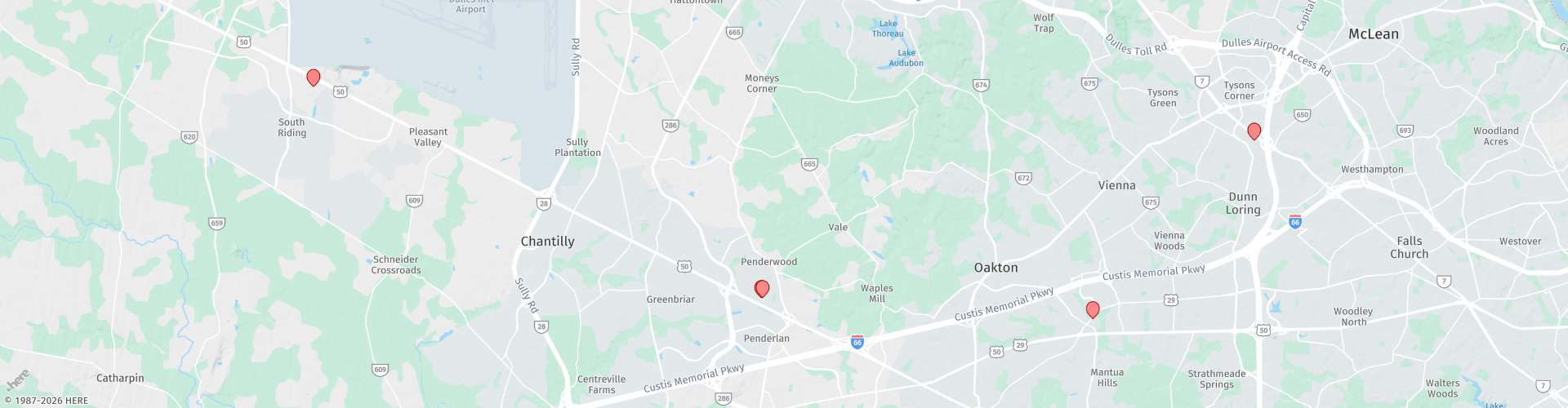
At Prima Medicine, we take the time to get to know you and your health goals. Our medical director, Dr. Chethana Rao—recognized as a Washingtonian Top Doc in 2018—leads a team that never rushes through appointments. We’re part of Privia Medical Group, a physician-led network known for coordinated, high-quality care. With offices in Fairfax, South Riding, Merrifield, and Tysons, plus same-day appointments and weekend hours available, we make it easy to prioritize your health.


































What Happens During a Routine Physical Exam
Your appointment starts with a conversation. Bring any questions or concerns you have about your health—this is your time. We’ll review your medical history, discuss any symptoms or lifestyle factors, and make sure we understand what matters most to you.
The physical examination itself includes several standard components. We’ll check your vital signs—blood pressure, heart rate, respiratory rate, and temperature—and measure your height and weight to calculate your body mass index (BMI). We’ll listen to your heart and lungs, examine your abdomen, check your reflexes, and look at your skin for any concerning changes.
For men, we may perform a testicular exam. For women, a breast exam may be included, along with discussion about when you’re due for your next Pap smear or mammogram.
Age-Appropriate Screenings and Tests
The screenings we recommend depend on your age, gender, family history, and current health status. Here’s what typically gets checked:
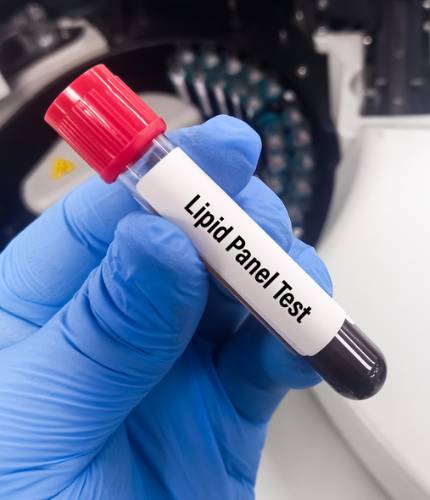
- Blood work: A complete metabolic panel checks kidney and liver function, blood sugar levels, and electrolytes. A lipid panel measures cholesterol and triglycerides to assess heart disease risk. We may also check thyroid function, vitamin D levels, and hemoglobin A1C if you’re at risk for diabetes.
- Cardiovascular screening: Blood pressure checks are standard at every visit. If you’re over 40 or have risk factors, we may recommend an electrocardiogram (EKG) to assess heart rhythm and function.
- Cancer screenings: Depending on your age and risk factors, we’ll discuss colorectal cancer screening (typically starting at age 45), prostate screening for men (PSA test and digital rectal exam), and breast cancer screening for women (mammogram recommendations). Skin checks help identify suspicious moles or lesions early.
- Bone health: Women over 65 and men over 70 should have bone density testing to screen for osteoporosis. We may recommend earlier screening if you have risk factors.
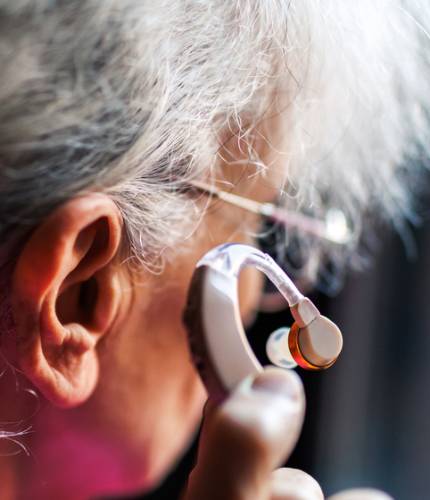
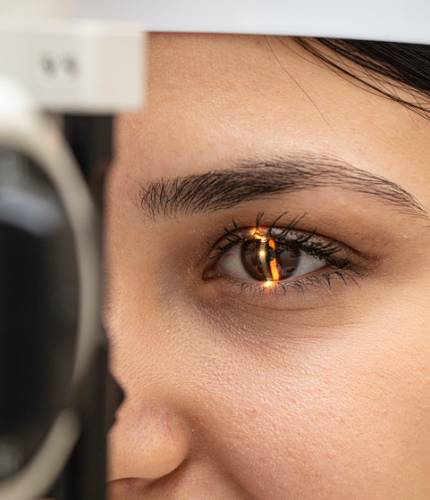
- Vision and hearing: Basic vision and hearing tests help identify changes that could affect your quality of life and safety.
Immunizations and Preventive Care
We’ll review your immunization history and administer any vaccines you’re due for, including flu shots, Tdap boosters, shingles vaccine (typically recommended at age 50), pneumonia vaccines, and COVID-19 vaccines. Staying current on vaccinations is one of the simplest ways to protect yourself from preventable diseases.
Common Conditions Detected During Physical Exams
Routine physical exams help identify potential health concerns early, often before noticeable symptoms develop. Common findings include:
- Elevated blood pressure: Often called a “silent condition,” high blood pressure may not cause symptoms but can increase the risk of heart disease and stroke.
- High cholesterol: Routine blood work can detect cholesterol imbalances that may raise the risk of cardiovascular problems.
- Prediabetes and early-stage diabetes: Blood testing can reveal changes in blood sugar levels before diabetes progresses.
- Heart murmurs and irregular heartbeats: Physical exams may uncover changes in heart rhythm that need further evaluation.
- Thyroid abnormalities: Subtle thyroid changes can affect metabolism, energy levels, and hormone balance.
- Early signs of kidney or liver disease: Lab testing may detect organ function changes before symptoms appear.
- Vitamin deficiencies and anemia: Blood tests can identify nutrient imbalances that contribute to fatigue and other health concerns.
- Warning signs of serious illness: In some cases, exams reveal findings that prompt further screening for conditions such as cancer.
After Your Visit
Once we’ve completed your exam, we’ll discuss the results with you clearly and directly. If we identify any concerns, we’ll talk through your options and create a plan that fits your life. That might include lifestyle changes, medication, or additional testing to get more information. We’ll provide you with a summary of your visit, test results when they’re available, and specific recommendations for follow-up care.
Our goal is to help you understand where you are now and what steps will keep you healthy for the long term. We’ll also discuss when you should schedule your next physical—typically annually for most adults, though some patients benefit from more frequent visits.
How Often Should You Have a Physical Exam?
Most adults benefit from an annual physical exam. If you have chronic conditions like diabetes, heart disease, or high blood pressure, you may need more frequent visits to monitor your health and adjust your treatment plan. Even if you feel perfectly healthy, preventive care works. Regular physicals give you the chance to address small issues before they become bigger ones, and they provide a baseline for tracking changes over time. Taking an hour for a checkup today can save you months of treatment down the road.
Why Choose Prima Medicine?
We know you have options when it comes to primary care. Here’s what sets Prima Medicine apart: We listen. We don’t rush. And we’re committed to giving you the information and support you need to make confident decisions about your health.
Dr. Rao graduated with the Gold Medal award from Bangalore Medical College and completed her residency at Geisinger Medical Center. She’s board-certified in internal medicine and has a special focus on chronic disease management, diabetes, hypertension, and preventive care. Our practice is part of Privia Medical Group, which means you have access to a coordinated network of specialists when you need them. And because life doesn’t always happen during business hours, we offer flexible scheduling, including same-day and next-day appointments.
Schedule Your Physical Today
Ready to take charge of your health? Prima Medicine serves patients throughout Fairfax, South Riding, Merrifield, and Tysons, Virginia. Call us at (703) 870-3750 or book an appointment online. We look forward to partnering with you on your health journey.